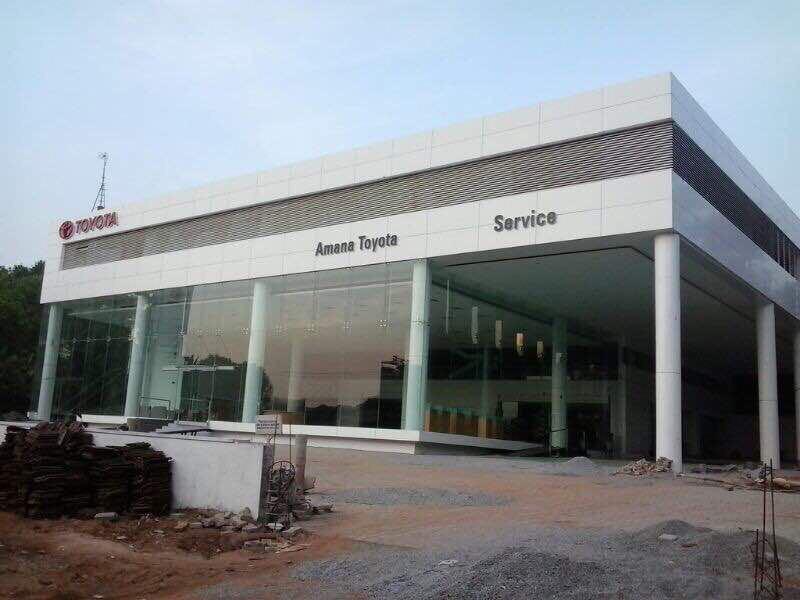
SPIDER GLAZING
Spider glazing, also known as point-supported glazing or structural glass systems, is a type of building envelope system that consists of large glass panels that are supported by a series of small, discrete points rather than a traditional frame. It is a popular choice for modern buildings due to its sleek, minimalist appearance and ability to create an open, airy feel.
FEATURES OF SPIDER GLAZING
- Aesthetics: Spider glazing creates a clean, modern look and allows for maximum visibility and natural light. It can also be used to create a seamless transition between the interior and exterior of a building.
- Energy efficiency: Spider glazing can help to improve the energy efficiency of a building by reducing heat transfer and allowing natural light to enter the building.
- Sound insulation: Spider glazing can also act as a sound barrier, helping to reduce noise pollution.
- Durability: Spider glazing is highly durable and resistant to weathering and UV radiation, making it suitable for use in outdoor applications. It also requires minimal maintenance and can be easily cleaned with a mild detergent and water.
APPLICATIONS
- Exterior walls: Spider glazing is commonly used to clad the exterior walls of buildings to enhance their visual appeal and protect them from the elements. It is a popular choice for modern buildings due to its sleek, minimalist appearance and ability to create an open, airy feel.
- Entrances and storefronts: Spider glazing is also commonly used in the construction of entrances and storefronts to create a welcoming and transparent appearance.
- Atriums and skylights: Spider glazing is often used in the construction of atriums and skylights to allow natural light to enter a building while still providing insulation and energy efficiency.
- Partitions: Spider glazing can also be used to create partitions within a building to provide a sense of openness and allow natural light to flow through the space.
Overall, spider glazing is a popular choice for modern buildings due to its sleek, minimalist appearance, energy efficiency, and durability. It is widely used in exterior walls, entrances and storefronts, atriums and skylights, and partitions.